The decking boards take most of the blame because they’re what you see. If they look worn, swapping them for new boards sounds straightforward. What you’re buying, though, is another stretch of useful life from the whole deck. Whether new boards are a sensible investment depends in large part on what’s carrying them.
Start with the parts you plan to keep
Resurfacing typically means keeping some or all of the existing structure and replacing the walking surface. Before comparing board colors, ask what a professional can establish about the posts, beams, joists, attachments, and stairs. Areas concealed by the old decking may need closer review once opened. Ask how that work is priced and what happens if the findings change the plan. Keep people off any part that appears unstable until it can be evaluated.
Consider whether the old layout still serves you
A new surface leaves the footprint roughly where it was. Think about your biggest complaint on a normal summer afternoon. If you avoid the deck because the surface splinters, the existing layout may be worth keeping. If you never have room to pull out a chair or the stairs interrupt every trip to the yard, new boards bring back the same problem with a nicer finish. List what the deck would have to do differently to justify a larger project.
Compare two scopes with the same finish choices
Ask for a clear description of the work included in each option. One proposal might retain railings and stairs. Another could include demolition, hauling, and a different landing. Both may specify a similar deck board. Keep the proposed surfaces and railing choices as comparable as possible so you can see what is changing under the deck and around its edges. Confirm that any proposed surface is compatible with the framing arrangement and the manufacturer’s instructions.
Include the cost of returning to the job
A scope that leaves older stairs or rails in place can make sense if those parts still suit the deck. Ask what would be involved in replacing them later. For example, could the stair be worked on by itself, or would it touch the new surface and adjacent trim? Compare the hassle of returning to the project with the amount you would pay to address more work now. That’s a personal decision once the condition of the structure is understood.
Decide what finding would change your mind
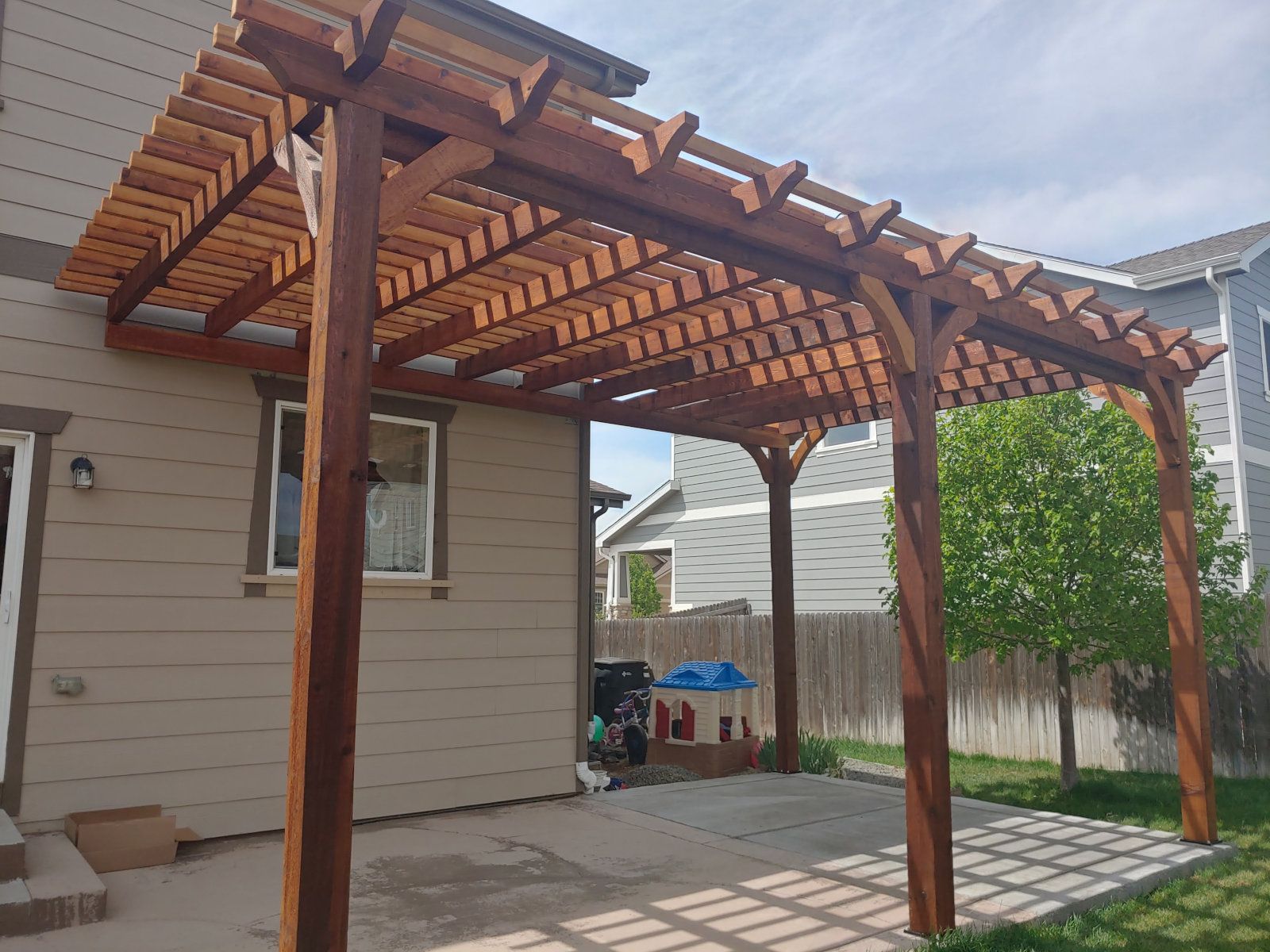
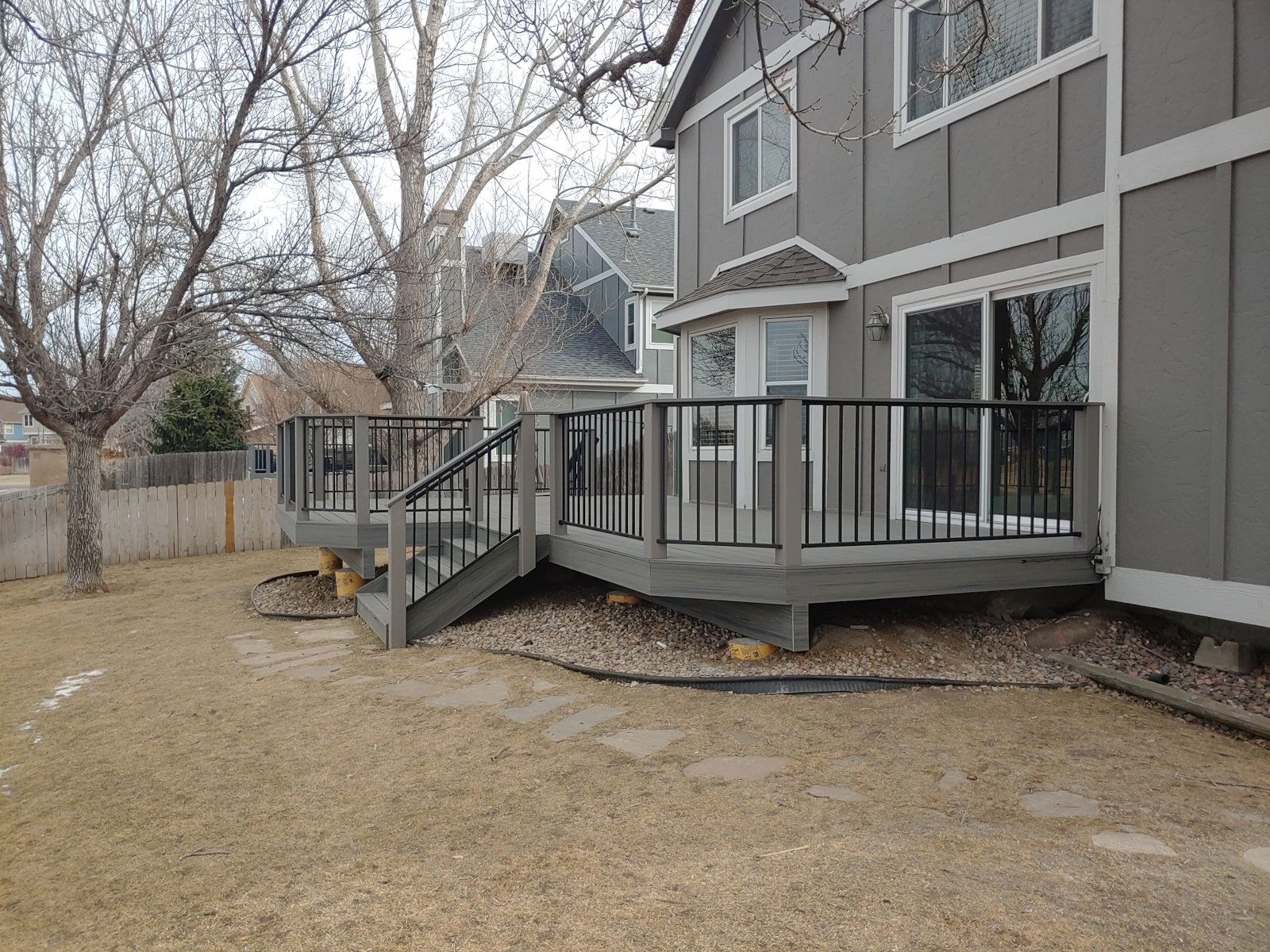
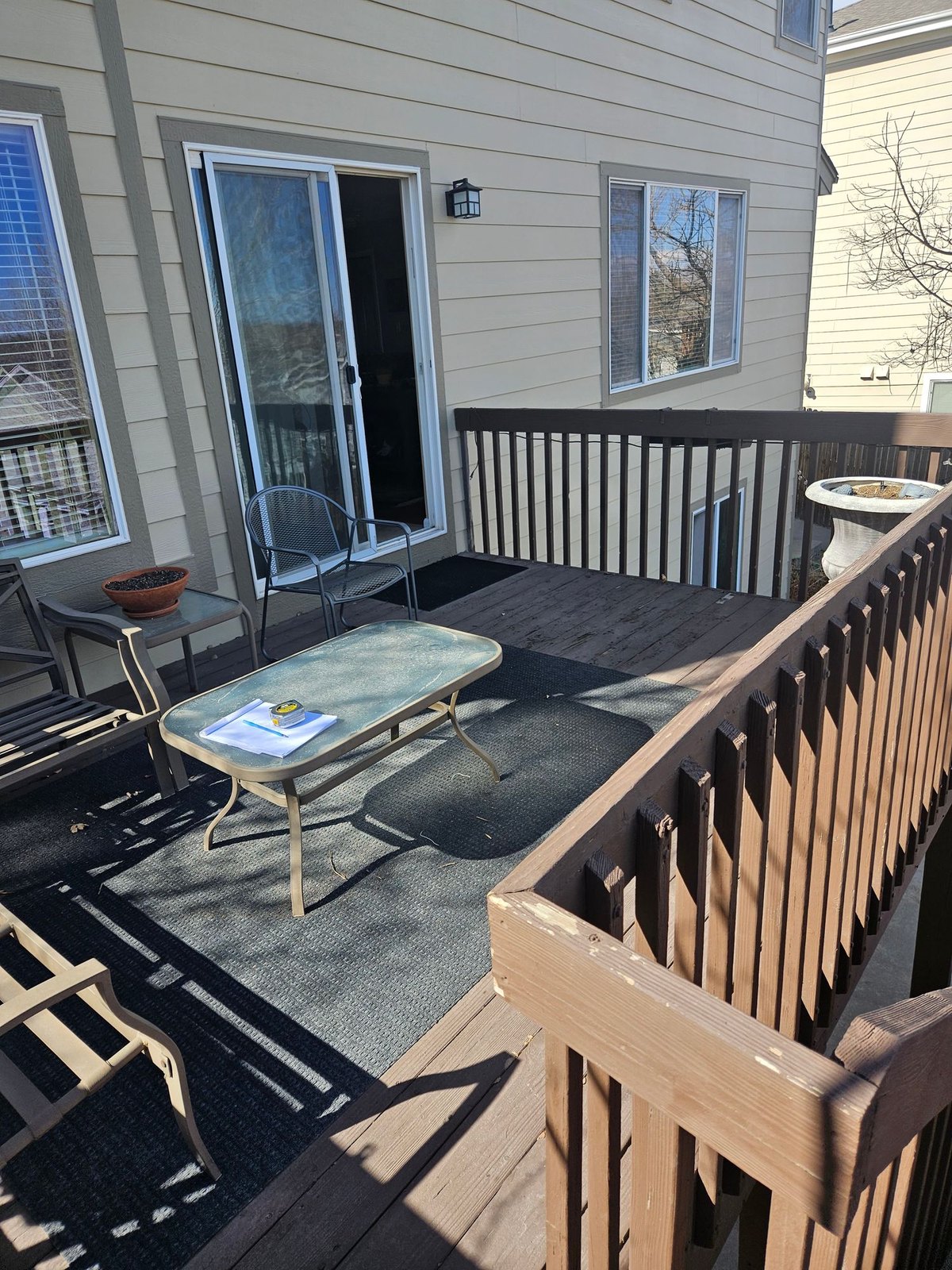
A useful next step is to write a simple decision rule before work starts. For example, you might choose resurfacing if the frame can reasonably support the plan and you like the existing footprint. If an assessment reveals extensive changes or you want more space, compare rebuilding while you still have choices. Look at the deck, stairs, and patio before-and-after for an example of considering the whole outdoor route. Send HB Contracting Co. a few photos and describe what you want the finished deck to do.
This article is part of the fall 2026 archive edition of the HB Contracting Co. weekly series.